
The Confuddled Definition of “World-Class”
“World-class” is a term that gets thrown around constantly in football. For some, there are very few players who deserve the label. Sir Alex Ferguson, who coached some of the greatest teams of all time, said he only coached four world-class players in his entire career (Ryan Giggs, Eric Cantona, Cristiano Ronaldo, and Paul Scholes). Others throw the term around based on a couple of good performances. If you want a more specific example, just watch any Arsenal Fan TV video and you should get the picture. So, what should it mean to be world-class, and who truly falls into that category?
My inspiration for this topic came from Liam Rosenior (obviously). After Chelsea’s big 4–1 win against Aston Villa, Rosenior praised his hat-trick hero João Pedro. He labeled him as “world-class” and said there was no other striker he’d want in the team, comparing him to the likes of Kane, Mbappé, and Haaland. I was taken aback by the statement. João has probably been the hottest striker in England in 2026. His hat-trick against Villa made it eight league goals this calendar year, five of those coming in the space of four games. He’s in form—but does that warrant the term “world-class”? I don’t think so at all. He had six league goals this season leading up to the new year. Additionally, the sample size of elite performance at the top level isn’t very big. An impressive Club World Cup and a few great months don’t make you world-class.
This is not an attempt to attack João Pedro or Rosenior. It’s an attempt to treat the label “world-class” with a bit more respect. An overused word will eventually lose its meaning. A world-class player shouldn’t just be able to get into any team; they should be a difference-maker for any team. Not just that, they should be able to maintain that standard for more than a season. As the saying goes, “form is temporary, class is permanent.” Lots of players go on great runs or have iconic performances, but only a limited number are truly world-class. The Premier League is lucky to have quite a few such players, along with several players on the cusp. Here’s who I think is worthy of the label:
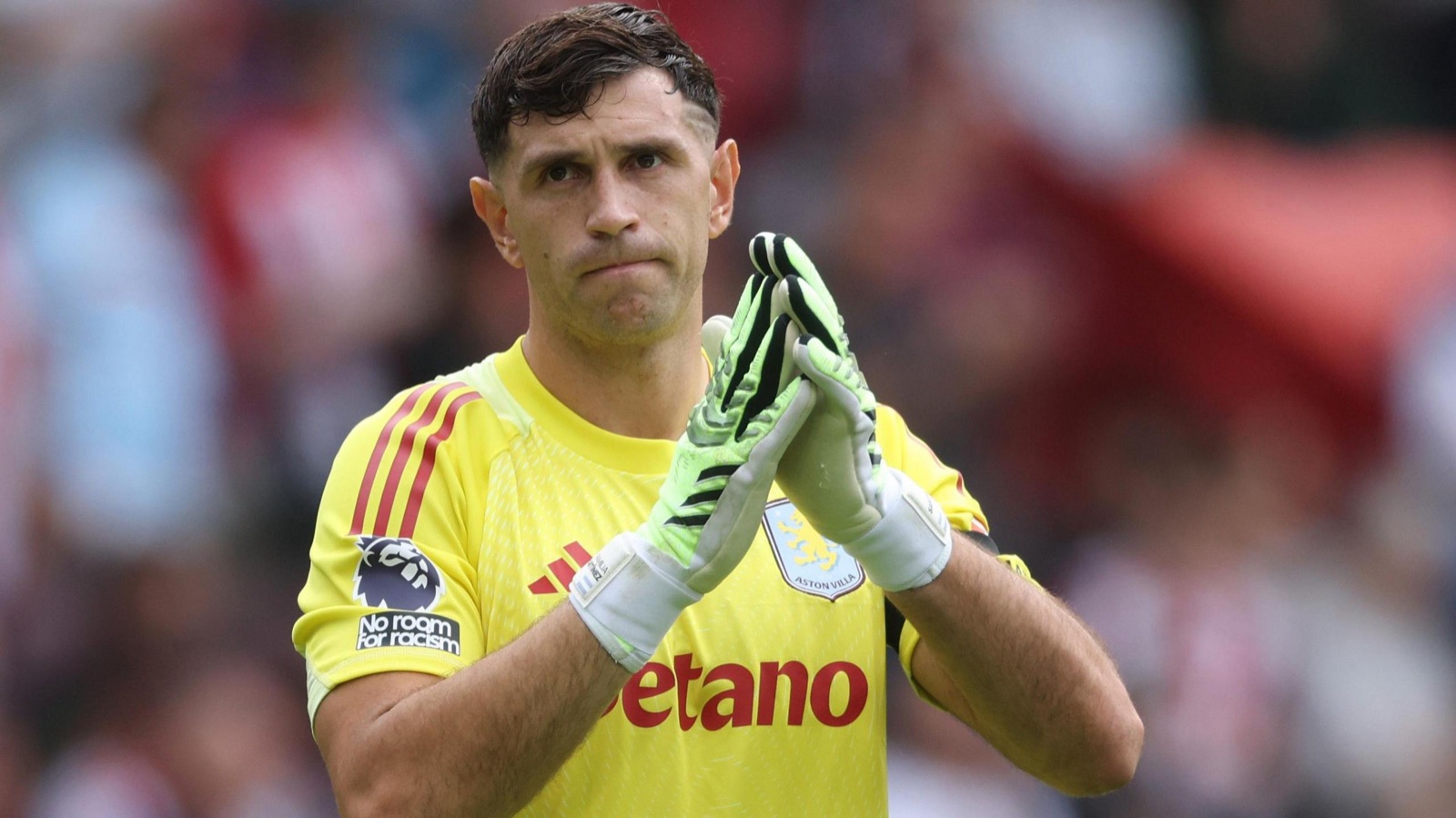
World Class: Bruno Fernandes (Manchester United), Gianluigi Donnarumma (Manchester City), Antoine Semenyo (Manchester City), Erling Haaland (Manchester City), Bernardo Silva (Manchester City), Rodri (Manchester City), Declan Rice (Arsenal), Bukayo Saka (Arsenal), William Saliba (Arsenal), David Raya (Arsenal), Mohamed Salah (Liverpool), Virgil van Dijk (Liverpool), Alisson Becker (Liverpool), Emiliano Martínez (Aston Villa)
On the Cusp: João Pedro (Chelsea), Moisés Caicedo (Chelsea), Dominik Szoboszlai (Liverpool), Gabriel Magalhães (Arsenal), Martin Zubimendi (Arsenal), Sandro Tonali (Newcastle), Bruno Guimarães (Newcastle), Morgan Rogers (Aston Villa)
Ultimately, we all get to decide for ourselves what it means to be world-class. I, for one, don’t adhere to the strict guidelines of Sir Alex Ferguson. What was “world-class” for him is more like “legendary” for me. Despite that, players should show their level for at least a season or two before we slap that label on them. There are opportunities to accelerate that process. I think the World Cup this summer offers the ability to vault yourself into world-class status on an accelerated track. The Champions League offers a similar opportunity on Europe’s biggest stage. Even in those tournaments, we should practice moderation in our evaluations. At the end of the day, the argument over who is world-class is not the most important thing. The most important thing is that we treat the term with respect and appreciate the world-class players we get to watch. As observers, we’re privileged to witness their talent week in and week out.
Author’s Note: Reach out via our email (thecolonialfc@gmail.com) or through our Instagram to give your argument for a player you feel is missing from this list or one that shouldn’t be there (cough cough, I know you’re coming for Emi Martínez).