Ripples of a Money Grab
The 2026 FIFA World Cup is a spectacle of unmatched grandeur and ambition. The new 48-team format opened 16 new qualification spots. With the additional spots, FIFA reworked the group stage to jump from eight groups to twelve and expanded the knockout bracket from 16 teams to 32. After all was said and done, the once 64-game World Cup had become a 104-game World Cup. The reason for the expansion is a secret to no one: money. FIFA stands to profit massively after tripling their ticket revenue and increasing overall revenue by an estimated $3.5 billion. The world’s passion for football, mixed with the consumerism of America, has been the perfect storm to launch FIFA’s masterful money grab. The ripples of such a massive change are being seen and the Sharks in the water beg the question of whether this decision based in greed isn’t also a gift of hope.
Cape Verde qualified for the World Cup on October 13, 2025, after beating Eswatini 3-0. It was their first ever qualification and made them the third smallest country by population to ever earn a spot in the big dance. This beautiful moment was made possible by the World Cup expansion that gave Africa the representation they so long craved. The new World Cup format bolstered Africa’s five guaranteed spots up to nine. It was a sign of the incredible progress made in African football, a continent scarred by FIFA’s neglect. Such neglect climaxed with an African boycott of the 1966 World Cup after it was decided that Africa, Asia, and Oceania would share just one World Cup spot between them all. The “World” Cup wasn’t always open to the whole world.
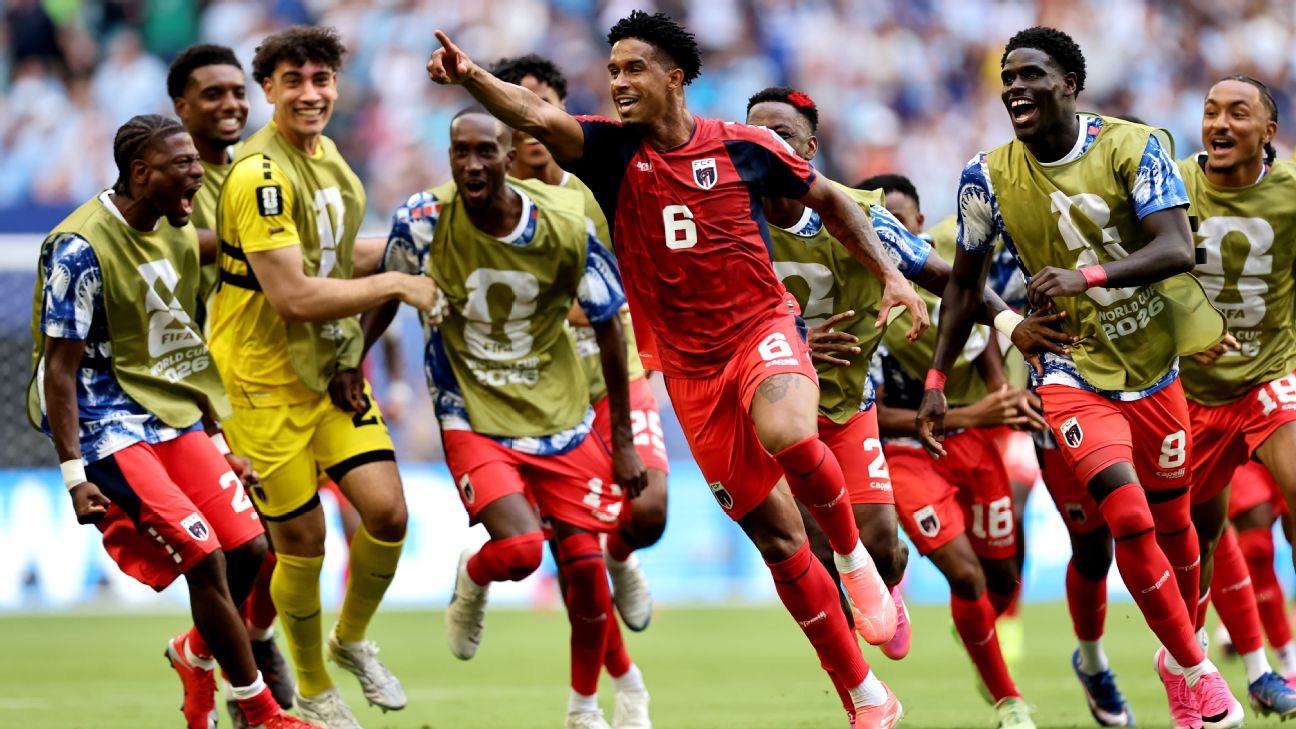
The Sharks of Cape Verde’s story does not cap out at an increase of fairness. Cape Verde have exceled playing in America. They didn’t lose a single match during the group stage, drawing with Spain, Uruguay, and Saudi Arabia. Their performance earned them a spot in the Round of 32 for a date with world champions Argentina. They’ve become the team of the people and their goalkeeper Vozinha has become an international icon after his lockdown performance versus Spain. The Sharks are one of the teams that have contradicted a common belief around the World Cup expansion: that it will lead to more lopsided matches and decrease the quality of the football. Despite being ranked 67th in the world, Cape Verde have competed well with two teams ranked in the top 20 and have shown that the gap between footballing nations might not be as big as some believe.
Whether the quality of play is lowered by the number of teams remains to be seen; it will take more than one 48-team World Cup to make that conclusion. What I can say though, is that the 48-team World Cup encourages dreamers like never before. It will lead to more serious pursuit of football development and recruitment from teams that saw World Cup qualification as impossible in the previous format. Curaçao is a perfect example. The team qualified for their first World Cup with just one native born player. They had to search for players with Curaçaoan heritage, digging through Dutch football to find them. Those efforts built a World Cup team that became the pride of their nation.
FIFA’s lust for wealth bridged the gap between traditional football powers and the Cape Verdes and Curaçaos of the world. In doing so, untapped financial support has reached such nations and provided an opportunity for growth. Teams ranked below 50 and 100 in the FIFA rankings are no longer caught in the limbo of competing within the continent but never abroad. Bridging the gap might, in time, reduce the size of the gap and create a more competitive world football landscape than ever.