
Farm System Football
Major League Baseball teams develop players through a farm system similar to the academies of many football clubs. There is a distinct difference though. Minor league baseball players aren't kids. By the time a player makes it to the highest level (Triple-A) they're surrounded by players with an average age of about 26 years old. With each call-up, they're playing with better and older players. It's grown man baseball day in and day out. Plenty of the players in Triple-A will make it up to the majors or have spent time in the majors. It's not really comparable to 15-year-old getting a run of games with the U18s nor is it like a 17-year-old debuting in the FA Cup against Scunthorpe United (sorry Iron faithful).
The more accurate equivalent to the farm system is “sister” clubs in European football. Sister clubs are clubs owned by the same person or group. Often, clubs under the same ownership are of varying levels and pass players between them fairly frequently. Talented players from the smaller club will go up to the larger one and young players from the larger one will go down to the smaller one for experience. The Red Bull Group is a prime example. Red Bull Salzburg has become famous for developing incredible talent, the crown jewel being Erling Haaland. Oftentimes, the best Salzburg players will be transferred up to RB Leipzig to play in the Bundesliga. Dominik Szoboszlai, Benjamin Šeško, and Hee-Chan Hwang are all players that made that move and then springboarded into the Premier League.
The Premier League has seen some sister club influence. The City Group has a large network of teams. Most recently that network brought Savinho from Troyes to Manchester City after a loan at Girona, three teams owned by The City Group. Other clubs have dipped their toes in. Kaoru Mitoma benefitted from a loan spell at a sister club, Union Saint-Gilloise. The young Bournemouth striker Junior Kroupi was brought to the south coast from their sister club, FC Lorient. It's fairly common practice but Chelsea Football Club and their BlueCo ownership have taken it to a whole new level.
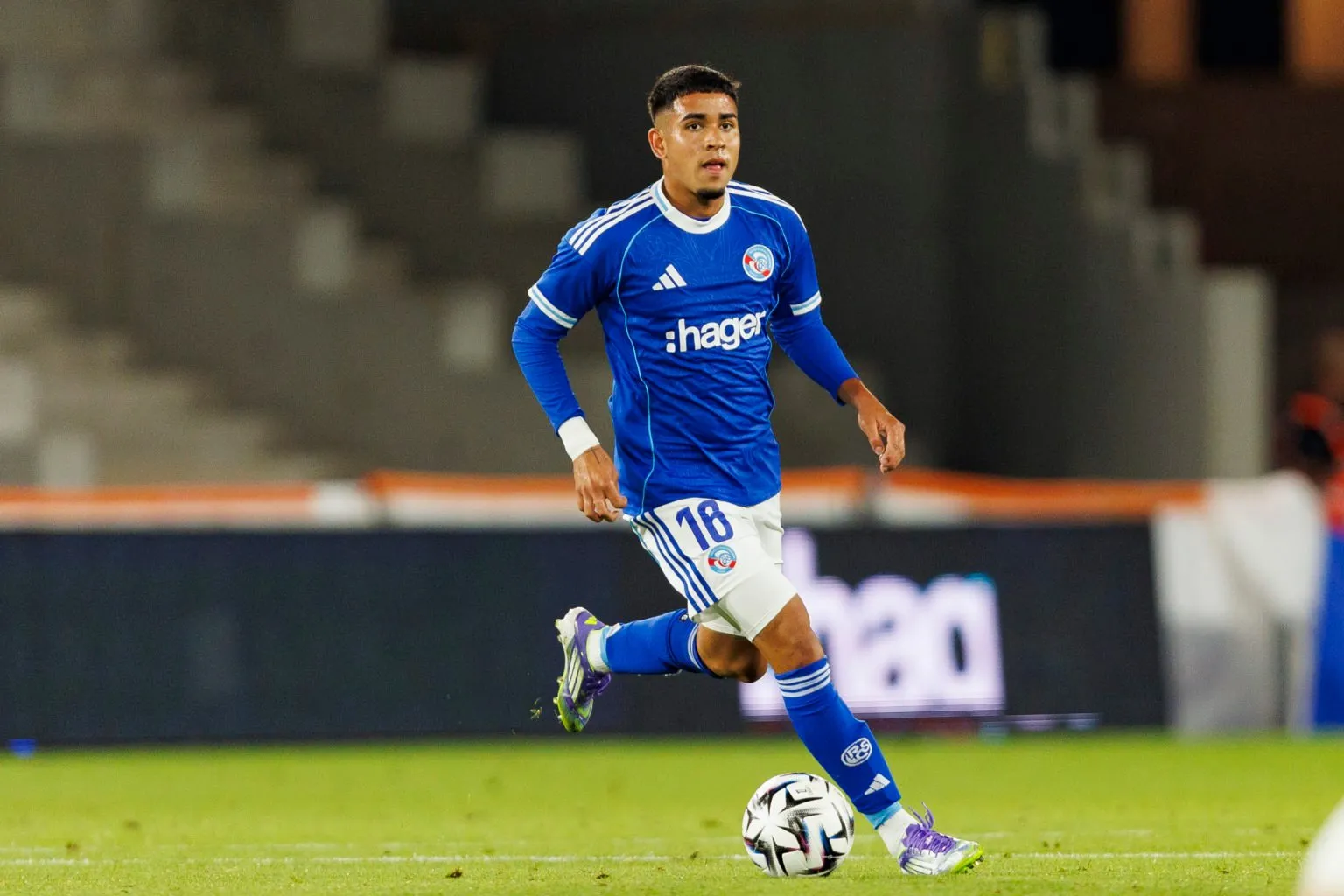
Since BlueCo bought FC Strasbourg in June 2023, they've loaned and sold a plethora of players to their sister club. Andrey Santos spent a season there and is now getting good time in the first team at Chelsea. Djorde Petrovic went there and resurrected his transfer value before leaving for Bournemouth. Overall, about a dozen players have been passed between the two clubs. Chelsea currently have five players at Strasbourg that will return from loan or join on a permanent transfer at the end of season. So far, it's been mutually beneficial. Strasbourg have had success on the field. They qualified for Europe last year and have started off their Ligue 1 and Conference League campaigns strongly. Chelsea have gotten valuable experience for their stars of the future whilst qualifying for the Champions League and winning the Club World Cup.
I'm not the biggest fan of Chelsea's transfer strategies but their relationship with Strasbourg is extremely intriguing. Their bloated squad couldn't hold more bodies but they wanted more anyway. Their relationship with Strasbourg gives them the opportunity to bring in young players that they're not sure they have space for yet. It's like a trial in a way for both clubs. Top performers might get a spot in the Chelsea squad and others might not fit at Chelsea but are perfect for Strasbourg. Diego Moreira and Ben Chilwell are prime examples. They're good players that were ruled as excess at Chelsea but are important for Strasbourg. It's not just about quality; fit is a factor too. Chelsea and Strasbourg can test that fit and more often than not, recoup or multiply their money.
The question is: Will it be sustainable for Strasbourg? Will is actually serve them well in the long run? You might say, “It's the same ownership. They're not going to be mad at themselves.” It's not that simple. It's the same ownership but different people in the day-to-day operations. Chairman Marc Keller predates BlueCo at Strasbourg. He won't just sit at watch his side be fleshed out for quality or only get rentals. Keller defended the French side just last week stating that he doesn't think Strasbourg is a feeder club. His assertion was sparked by backlash from Strasbourg ultras who feel their club's culture is being compromised by BlueCo. Strasbourg employees from Keller to the manager to the players aren't going to placidly stand by if their's club's growth is stunted by Chelsea's. The taller tree tends to steal all the sunlight.
I'm sure Todd Boehly and company have promised progress in France, not conversion into a hatchery of Chelsea talent. That's easier said than done though. Who wouldn't prioritize their more lucrative business venture? Chelsea's success has significantly greater monetary weight than Strasbourg's. It's a situation to monitor over the next couple seasons. Sister clubs aren't really a direct comparison to the MLB's farm systems but they're not unrelated. If the minor leagues of baseball were a snake, BlueCo's multiple club ownership could be considered the snake's shed skin. It's the outline of a farm system. Not filled out like in baseball but build upon the same framework. Ultimately, a farm system promotes the success of only it's top linchpin.
BlueCo need to be careful to handle their football differently than baseball, even though we know Boehly loves his baseball. If handled correctly, the partnership could be enabling for both sides. Strasbourg could become a European football regular and possibly challenge PSG someday for the title. If Chelsea constantly dip into their squad or send loads of prospects in development, they might get caught in mid-table obscurity or worse. Time will tell if BlueCo's European investment becomes a house divided or a house of champions.